Introduction
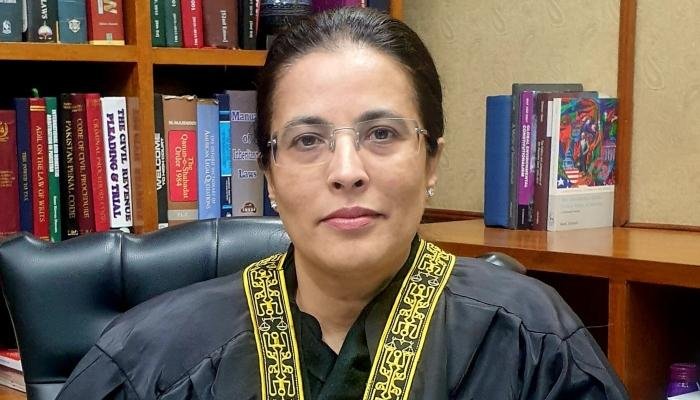
Some women build their influence through business, others through science, fashion, entertainment, or entrepreneurship. Justice Ayesha A. Malik has built hers in a profession where decisions can affect fundamental rights, legal institutions, and the relationship between citizens and the state.
In January 2022, she became the first woman appointed as a judge of the Supreme Court of Pakistan, marking a historic milestone in the country’s judicial history. Her career has included corporate law, constitutional adjudication, judicial education, and work addressing issues affecting women within the justice system.
In September 2026, she received the International Leader/Lifetime Award at the Justitia Awards in Vienna, Austria, recognising her contributions to law and justice.
Her story is particularly relevant to Zyvera because it presents a different kind of success: one built through education, professional discipline, institutional responsibility, and the ability to work within complex systems.
Justice Malik’s journey also raises an important question for women aspiring to leadership: how can individual achievement create opportunities for others? Her work on judicial gender sensitivity and women’s participation in the legal profession provides a meaningful starting point for exploring that question.
Early Life and Educational Foundations
Justice Ayesha A. Malik was born in June 1966. Her education took her through schools in Paris, New York, and London before she pursued higher education in Pakistan and the United States.
She earned a Bachelor of Commerce degree from the Government College of Commerce and Economics in Karachi and studied law at Pakistan College of Law in Lahore. She later completed a Master of Laws (LL.M.) at Harvard Law School, where she was named a Landon H. Gammon Fellow in recognition of academic excellence.
These educational experiences brought together business-related studies, legal training, and advanced postgraduate education. That combination would later prove relevant to her early career in corporate law and litigation.
Studying in different academic environments can expose students to different approaches to legal reasoning, professional standards, and institutional practice. It can also help them understand how legal systems operate within different social and economic settings.
However, a strong educational background is only the beginning of a demanding professional journey. Law requires the ability to interpret complex information, assess competing arguments, understand evidence, and explain decisions clearly. These skills develop through sustained study and practical experience.
Justice Malik’s education laid the foundation for a career that would eventually take her from private legal practice to one of Pakistan’s highest judicial offices.
Career Journey: From Corporate Law to the Supreme Court
Before entering the judiciary, Justice Malik developed her professional experience in legal practice.
She began her legal career at Fakhruddin G. Ebrahim & Co. and subsequently worked at Rizvi, Isa, Afridi & Angell, commonly known as RIAA. At the firm’s Lahore office, she became a partner and led its corporate and litigation department.
Her work in private practice gave her experience in legal analysis, advocacy, and the practical demands of representing clients. She also taught banking law at the University of the Punjab and mercantile law at the College of Accounting and Management Sciences in Karachi.
These activities illustrate a career that was not confined to one professional role. Legal practice and teaching require different skills: lawyers must represent clients effectively, while educators must explain complicated concepts and help others develop their understanding.
Entering the judiciary
In March 2012, Justice Malik became a judge of the Lahore High Court. She served there for nearly a decade before her appointment to the Supreme Court of Pakistan in January 2022.
Her elevation to the Supreme Court was historically significant because no woman had previously held that judicial position in Pakistan.
A Supreme Court judge works within a demanding institutional framework. Cases may involve constitutional interpretation, civil and criminal law, fundamental rights, procedural questions, and disputes concerning the powers of public institutions.
Judges must evaluate legal arguments and apply the relevant law to the matters before them. Their work is different from that of elected officials, business executives, or campaigners: judicial authority carries responsibilities relating to impartiality, legal reasoning, and the proper administration of justice.
Justice Malik’s progression from corporate legal practice to the High Court and then the Supreme Court represents a professional journey across several levels of the legal system.
Major Achievements and Recognition
1. Becoming the first woman on Pakistan’s Supreme Court
Justice Malik’s appointment in January 2022 was a landmark moment for women’s representation in Pakistan’s judiciary.
Her appointment did not, by itself, remove every barrier facing women in the legal profession. Nevertheless, it changed the history of the institution and demonstrated that a woman could reach the country’s highest judicial bench.
Representation in senior institutions can have practical significance. It can broaden public understanding of who can hold positions of authority and provide a visible example for students considering careers that have historically been male-dominated.
The achievement is particularly relevant to women pursuing law, public service, academia, and other professions in which senior leadership positions may be difficult to access.
2. Decisions concerning women’s rights and dignity
Justice Malik has been associated with judicial decisions addressing legal protections for women.
One prominent area of her judicial work concerns the use of so-called virginity tests in cases involving sexual violence. Such examinations have faced criticism because they lack a sound scientific basis for determining whether a person has experienced sexual intercourse and can subject survivors to humiliating treatment.
Her judicial work contributed to the legal rejection of these practices in Pakistan. The issue illustrates the importance of examining whether procedures used in the justice system are scientifically defensible and consistent with human dignity.
Her wider judicial record has also addressed constitutional and legal questions involving women’s rights, including matters related to voting rights and representation in public institutions.
Judicial decisions must be understood in their legal context, including the facts, applicable statutes, constitutional provisions, and reasoning involved in each case. Their significance lies not simply in the attention they receive, but in how legal principles are interpreted and applied.

3. International recognition at the Justitia Awards 2026
In September 2026, Justice Malik received the International Leader/Lifetime Award at the Justitia Awards in Vienna.
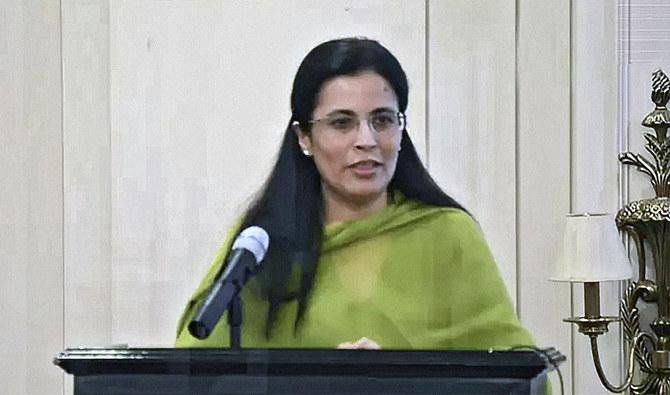
The award recognised her contribution to law and justice, including work associated with equality, human rights, and women’s participation in legal institutions. During the same visit, she participated in the Women in Law Conference 2026, speaking at a session titled “Roadmap to Equality and Women’s Rights in Practice.”
This recognition placed her professional work within an international discussion about women’s leadership in the legal profession.
It also highlights an important distinction: international recognition can bring attention to a career, but the underlying work—legal reasoning, judicial responsibility, and institutional service—remains the basis on which a judge’s professional record should be understood.
4. An honorary doctorate from the University of London
In 2025, Justice Malik received an honorary Doctor of Laws from the University of London.
The distinction added to the recognition of her contribution to law and public life. Honorary degrees differ from academic qualifications earned through a conventional research programme; they recognise contributions or achievements considered significant by the awarding institution.
Together, these milestones demonstrate the reach of her professional career, from legal practice and judicial service to international recognition.
Leadership: Making Institutions More Inclusive
Leadership in the judiciary is not limited to deciding individual cases. It can also involve improving judicial training, professional standards, and the way institutions understand the people who use them.
Justice Malik has served on the Board of the Punjab Judicial Academy and chaired the Judicial Officers Female Supervisory Committee, which addressed issues relating to female judicial officers.
She also initiated the first Punjab Women Judges Conference in 2016. Subsequent conferences brought attention to gender perspectives in judicial processes and the professional experiences of women judges.
These efforts matter because the justice system is experienced by people in different circumstances. A person seeking legal protection may face barriers involving finances, social pressure, limited access to legal assistance, or a lack of confidence in approaching formal institutions.
Judicial training that considers gender-based violence and the experiences of female litigants can help professionals examine how procedures operate in practice. The objective is not to replace legal standards with assumptions, but to ensure that relevant context is considered carefully and that proceedings remain fair and respectful.
Justice Malik’s involvement in judicial education and women’s professional forums illustrates a broader form of institutional leadership: contributing to the systems through which other professionals work.
For women pursuing leadership, the lesson is that meaningful influence can extend beyond personal advancement. It can also involve helping institutions become more capable, accessible, and responsive.
Luxury Lifestyle: Redefining Success Beyond Material Wealth
Luxury is often presented through designer clothing, expensive cars, international holidays, exclusive events, and impressive homes. These things may form part of some successful people’s lives, but they do not provide a complete measure of achievement.
There is limited reliable public information about Justice Malik’s private spending habits, personal possessions, or lifestyle choices. It would therefore be inappropriate to invent details about her wardrobe, residence, travel preferences, or luxury purchases.
Instead, her career offers an opportunity to explore a more professional interpretation of an accomplished life.
For someone serving in the judiciary, professional stature is connected to legal expertise, responsibility, institutional trust, and the capacity to work through complex matters. Such responsibilities bring their own demands, including the need for discipline, careful reasoning, and respect for judicial independence.
This is not to suggest that material comfort is unimportant. Financial security and personal well-being matter across professions. The point is that public achievement cannot be measured accurately through possessions alone.
Justice Malik’s professional record shows why success can also be understood through the responsibilities a person assumes, the standards they uphold, and the contribution they make to an institution.
For Zyvera readers, this offers a useful reminder: a successful lifestyle can be defined by independence, purpose, expertise, and the ability to make consequential decisions—not only by visible wealth.
Personal Branding: Building a Reputation Through Professional Integrity
Justice Malik’s public profile is fundamentally different from that of a celebrity, fashion personality, or commercial entrepreneur. Her professional identity is tied to judicial service, legal qualifications, published decisions, and institutional responsibilities.
For a judge, personal branding should not mean self-promotion or cultivating popularity. Judicial credibility depends on independence, impartiality, reasoned decisions, and public confidence in the legal process.
Her career nevertheless offers lessons about professional reputation.
Build a foundation before seeking recognition
Justice Malik’s career followed years of legal education and practice before her appointment to the judiciary. The progression demonstrates the importance of developing relevant skills and experience before reaching a senior position.
For professionals in any field, titles and visibility are most meaningful when supported by a record of substantive work.
Let expertise define your professional identity
Her background includes corporate law, litigation, teaching, judicial service, and work involving judicial education. These are identifiable areas of professional experience that help explain her career.
A strong professional reputation is easier to establish when people can understand what a person knows, what responsibilities they have undertaken, and what work they have completed.
Communicate with substance
In law, credibility depends on arguments that can be examined and reasoning that can be understood. In business, science, and other fields, the equivalent is communicating claims accurately and supporting them with evidence.
This is a useful lesson for women developing their own professional presence: communicate achievements clearly, avoid exaggeration, and allow the quality of the work to support the reputation.
Connect success with responsibility
Justice Malik’s involvement in women judges’ conferences and judicial education shows that professional service can include helping colleagues address wider institutional questions.
In many professions, reputation becomes more meaningful when expertise is accompanied by a contribution to the development of others.
Inspiration: What Young Women Can Learn From Her Journey
Justice Malik’s career offers lessons for women considering law, public service, leadership, or other demanding professional paths.
Education can expand professional possibilities
Her educational journey included study in Pakistan and advanced legal education at Harvard Law School. These qualifications helped establish a foundation for her legal career.
Not every student has access to international education, and such opportunities are not a requirement for success. The broader lesson is to pursue strong training, seek relevant experience, and make the most of the opportunities available.
Long-term progress often happens in stages
Her career developed through private practice, teaching, service on the Lahore High Court, and eventual appointment to the Supreme Court.
Professional progress does not always follow a straight line, and the same route will not suit everyone. However, building experience over time can prepare people for responsibilities they may not have been ready to assume at the beginning of their careers.
Challenge assumptions through competence
Justice Malik’s appointment challenged a longstanding absence of women at the highest level of Pakistan’s judiciary.
Her achievement is a reminder that professional barriers are not necessarily evidence of a lack of ability. It also shows why institutions need to assess individuals according to relevant qualifications and performance rather than outdated assumptions about who belongs in leadership.
Understand the responsibility that comes with authority
A senior position can bring recognition, but it also brings obligations. In the judiciary, those obligations include fairness, careful consideration of arguments, and respect for the legal framework.
In business or other professions, authority similarly carries responsibilities towards employees, clients, colleagues, and the public.
Make progress meaningful to others
Justice Malik’s work involving judicial training and women judges’ forums illustrates how professional experience can be used to address challenges that affect a wider group.
Young women can apply this principle in smaller but valuable ways: mentoring a colleague, supporting a student, sharing professional knowledge, or helping improve an organisation’s working practices.
Legacy: Opening a Door That Had Never Been Opened Before
Justice Malik’s long-term legacy will continue to develop as her judicial career progresses and as the effects of individual decisions and institutional initiatives become clearer.
One milestone is already established: she became the first woman to serve as a judge of the Supreme Court of Pakistan. That achievement permanently changed the historical record of the institution.
Her work involving gender-related legal issues and judicial education provides another dimension to her public record. These efforts have brought attention to questions about dignity, fair treatment, and women’s participation in the legal profession.
It is important, however, to distinguish a historic appointment from the broader work required to achieve equality. One person’s achievement does not automatically remove structural barriers, guarantee equal access to justice, or resolve every challenge facing women in professional life.
Institutional progress requires sustained effort, fair procedures, effective legal protections, and opportunities for future generations to develop their capabilities.
Justice Malik’s career can therefore be understood both as an individual professional achievement and as part of a wider discussion about women’s representation and the institutions that shape public life.
For aspiring lawyers and future leaders, her journey provides a concrete example of how education, professional experience, and responsibility can come together in a career of national and international significance.
Lessons for the Next Generation
The story of Justice Ayesha A. Malik offers several principles that women can apply to their own ambitions:
- Develop expertise: Build the knowledge and practical skills required in your chosen profession.
- Value professional integrity: Reputation is strengthened by consistent standards and responsible conduct.
- Be prepared for responsibility: Leadership requires more than recognition; it demands sound judgment and accountability.
- Challenge limiting assumptions: Professional opportunities should be assessed through relevant ability, qualifications, and performance.
- Support institutional progress: Consider how your work can improve processes and opportunities for others.
- Measure success in context: Public recognition is valuable, but the substance and consequences of professional work matter more.
- Keep learning: Even after reaching a senior position, continued learning and reflection remain important.
These lessons apply to women building careers in law, government, business, education, science, and other fields where decisions and expertise can influence the lives of others.
Conclusion
Justice Ayesha A. Malik’s journey from legal education and corporate practice to the Supreme Court of Pakistan represents a significant chapter in the history of women’s professional leadership in the country.
Her appointment as the first woman on the Supreme Court in January 2022 broke a longstanding institutional barrier. Her work on legal questions affecting women, her involvement in judicial education, and her recognition at the Justitia Awards in 2026 have brought further attention to her professional career.
Her story also offers a broader lesson about success. Leadership is not simply a position or a public image; it is a responsibility that must be exercised with care, knowledge, and accountability.
For women who aspire to enter traditionally male-dominated professions, Justice Malik’s career demonstrates the importance of education, sustained professional development, and the willingness to assume demanding responsibilities.
Her achievement is not only that she reached a position no woman in Pakistan had held before. It is also that her career has become part of an ongoing conversation about representation, legal institutions, and the role women can play in shaping them.
My Life, My Achievements.