Introduction
Not every champion begins with access to the best facilities, professional sponsorship, or an easy path into sport. Some athletes must overcome barriers that extend far beyond the court. For Pakistani squash player Sana Bahadar, the journey has involved developing her game while navigating communication challenges, limited financial resources, and the demands of competing internationally.
Born deaf and non-speaking, Sana communicates through sign language and lip-reading. She began playing squash at the age of ten, and the sport gradually became much more than a competitive pursuit. It gave her a way to express herself, build confidence, and establish an identity through her abilities.
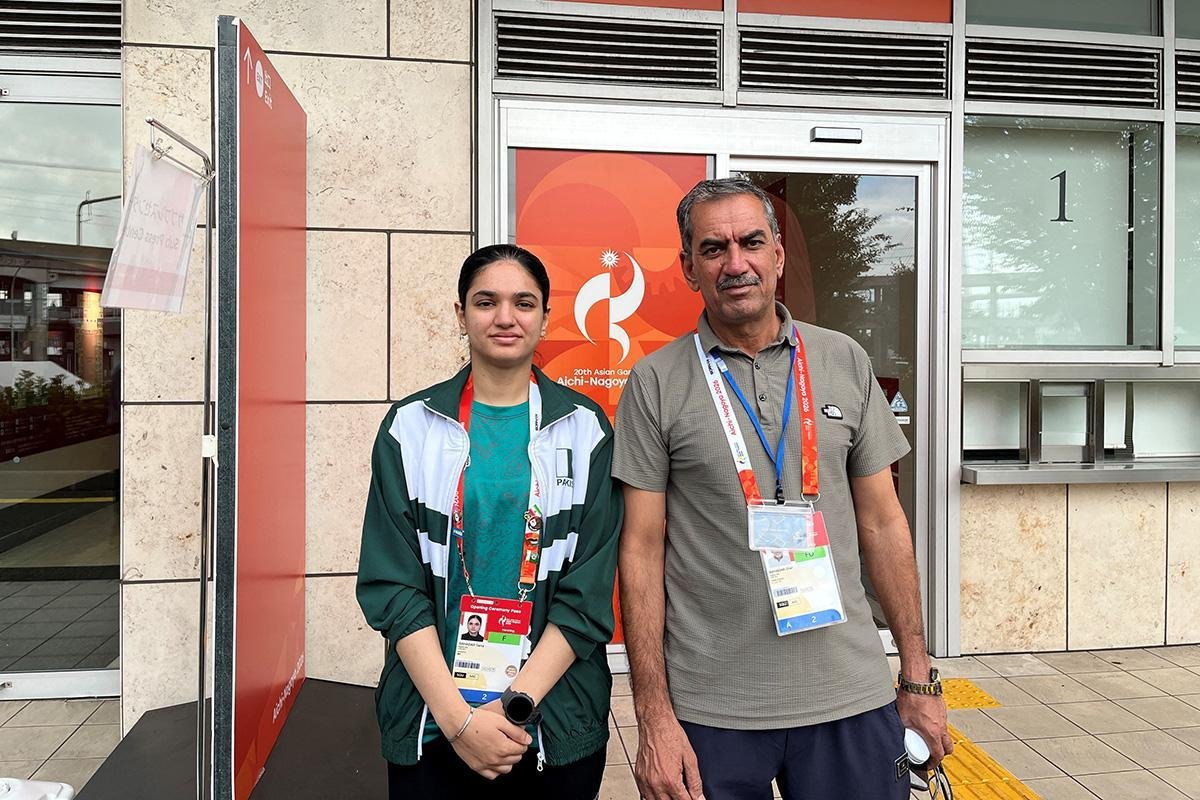
Today, Sana is a national squash champion who has competed internationally and represented Pakistan at the 2026 Asian Games in Aichi-Nagoya, Japan. In August 2026, she won the Bendigo Open in Australia, a Professional Squash Association (PSA) Tour event. By September, she was ranked 179th in the world, according to reporting by Reuters and player statistics published by Squash Info.
Her journey is a powerful example of what can happen when sporting talent meets commitment and sustained support. It also highlights a reality that deserves greater attention: athletes with disabilities need access to training, competition, communication support, and sponsorship if they are to reach their full potential.
For Zyvera, Sana’s story is about more than winning matches. It is about ambition, inclusion, family support, and the determination to build a future on the strength of one’s abilities.
Early Life: Discovering a Future Beyond Expectations
Sana Bahadar is from Peshawar, Pakistan. She was born deaf and communicates without spoken language, using sign language and lip-reading to interact with people around her.
Growing up with communication barriers presented challenges in a world where many everyday interactions depend on hearing and speech. Reporting by Dawn and Squash Player has described how difficult communication and access to suitable opportunities were during her early years.
Her father, Sher Bahadar, played an important role in helping her explore possibilities beyond the conventional expectations often placed on children with disabilities. He wanted her to have opportunities to develop her abilities rather than have her future determined by assumptions about what she could or could not do.
The turning point came when Sana was around ten years old. In 2016, an encounter involving her school and people connected with sport led her family to the Hashim Khan Squash Complex in Peshawar. There, she was introduced to the sport and received guidance from Qamar Zaman, one of Pakistan’s most celebrated squash figures.
What began as an opportunity to try something new gradually became a serious sporting ambition.
The squash court offered Sana a different environment. Players communicate through movement, positioning, anticipation, and the response to the ball. Although deafness creates specific challenges in training and competition, squash gave her a setting in which she could demonstrate her skills directly.
Her story is a reminder that talent is not always discovered through conventional routes. Sometimes, a single opportunity, a supportive adult, and access to the right environment can change the direction of a young person’s life.
Career Journey: From a Young Player to a National Champion
Sana’s rise in squash has required years of practice, physical preparation, coaching, and participation in competitions.
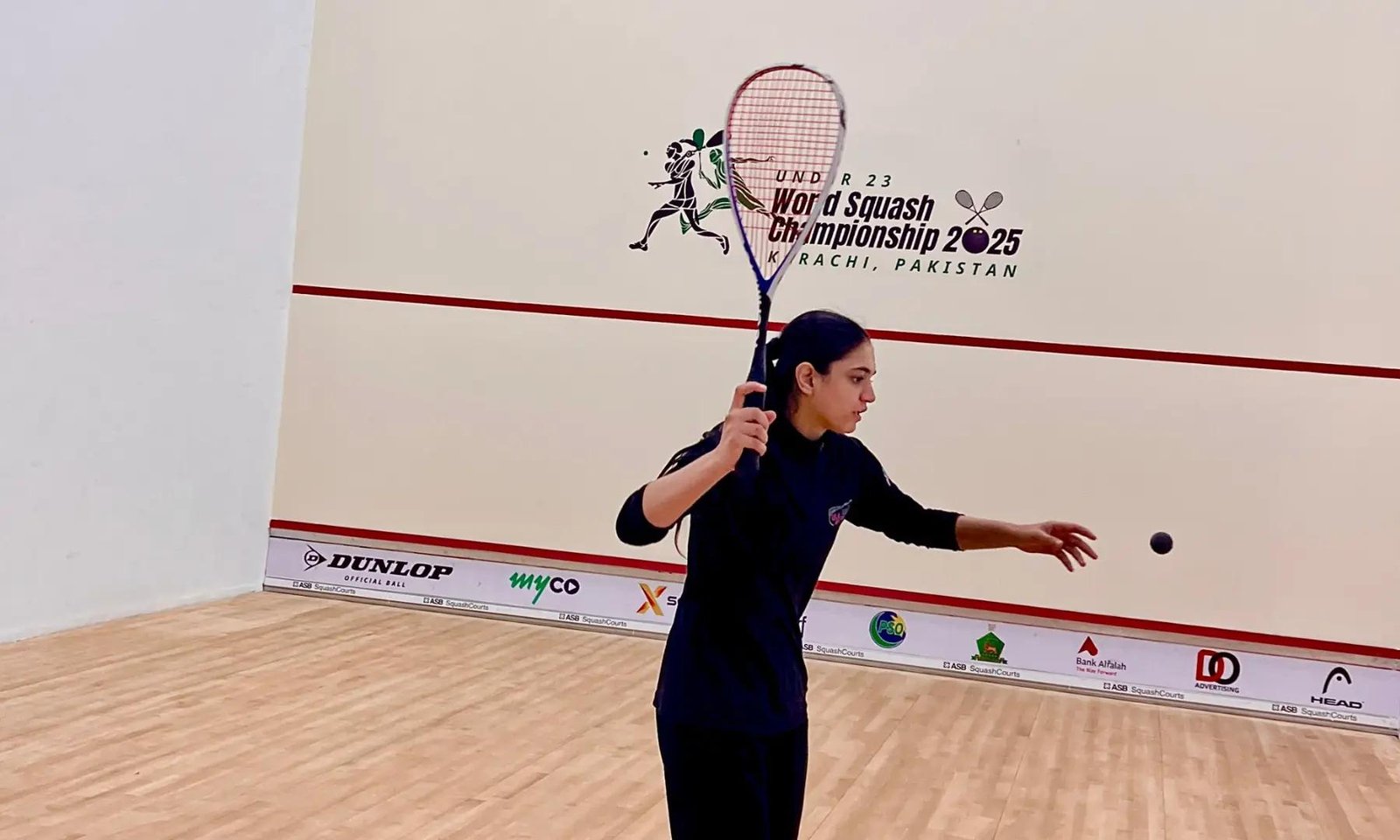
Squash is an intensely demanding sport. Players need speed, endurance, balance, coordination, tactical awareness, and the ability to make rapid decisions in confined spaces. A match can change quickly, and athletes must continually adjust their positioning and shot selection.
For Sana, training also requires particular attention to visual information. She cannot rely on the sounds that many hearing players use to help interpret what is happening during a rally. Instead, she must watch her coach, partner, opponent, and the ball closely.
In an interview published by Squash Player, Sana described the importance of watching every movement during training and the additional communication challenges she experiences away from the court. Her experience demonstrates that inclusion in sport requires more than allowing an athlete to enter a competition. Training methods, communication practices, and match environments can all influence how effectively an athlete participates.
With continued coaching and competitive experience, Sana developed into one of Pakistan’s leading female squash players. She accumulated national titles and competed in international events, including tournaments in Australia and the United States.
Her progress was not the result of one tournament. It reflected years of preparation and a support network that included her family and coaches.
Competing internationally
International competition exposes athletes to different playing styles, unfamiliar opponents, and the pressure of performing away from home. It also involves practical demands such as travel, accommodation, entry fees, training arrangements, and access to coaching.
For athletes without extensive commercial sponsorship, these expenses can be difficult to manage.
Sana’s father has spoken publicly about the financial sacrifices required to support her international career. Reuters reported in September 2026 that he had sold two printing machines to help finance her overseas competitions.
That detail illustrates an important part of the journey behind an athlete’s public achievements. International participation often depends not only on sporting ability but also on whether the athlete can afford to reach the tournament and prepare adequately.
Sana’s career therefore reflects two connected challenges: performing at a high level and securing the resources needed to continue developing.
Major Achievements: Results That Tell a Bigger Story
Sana’s achievements can be understood through her competitive record, her progress on the international circuit, and her participation in major sporting events.
1. Becoming a national squash champion
Sana has won numerous national titles and established herself as a leading competitor in Pakistan. A profile published by Dawn in November 2025 reported that she had accumulated close to a dozen national titles.
National success is important because it demonstrates an athlete’s ability to compete against established opponents within the domestic system. It also creates opportunities to gain experience, improve rankings, and qualify for more demanding events.
For Sana, these achievements challenged limited expectations about the sporting opportunities available to deaf athletes.
2. Winning the Bendigo Open in Australia
In August 2026, Sana won the Bendigo Open in Australia, a PSA Tour event. Squash Info’s player record lists her as the tournament winner.
The victory was an important competitive milestone because it came on an international tour rather than exclusively within Pakistan’s domestic squash circuit.
International titles can strengthen an athlete’s confidence and provide valuable experience against players from other countries. They can also help attract attention from coaches, sporting organisations, and potential sponsors.
However, one title does not guarantee future results. Continued progress depends on training, fitness, competition opportunities, and the resources available to support an athlete’s development.
Sana’s Bendigo victory is best understood as a significant step in a career that is still unfolding.
3. Representing Pakistan at the 2026 Asian Games
Sana made her Asian Games debut at the Aichi-Nagoya Games in Japan in 2026.
Her campaign ended in the round of 32, where she lost to Iran’s Najmeh Boushehrizadeh. Although she did not progress further in the tournament, competing at the Asian Games represented an important milestone in her international career.
Major multisport events bring together athletes from different countries and provide experience in high-pressure environments. They also offer visibility to sports and athletes who may receive less attention in mainstream coverage.
For Sana, the experience was another opportunity to compete internationally while representing Pakistan.
A sporting achievement should not be judged only by whether an athlete wins a particular match. Participation at a major event can also reflect years of preparation, qualification, travel, and personal commitment.
4. Reaching the world rankings
Sana’s PSA ranking has changed throughout her career. Squash Info records a career-high world ranking of 212 in January 2023. Following her Bendigo Open victory in August 2026, Reuters reported her ranking at 179.
Rankings are a snapshot of competitive standing at a particular point in time, not a permanent measure of an athlete’s potential. They can change as players enter tournaments, earn points, and compete against stronger opponents.
For Sana, the ranking reflects her continued presence in international squash and the opportunities available to build on her recent results.
Leadership: Changing Perceptions Through Sport
Leadership does not always mean managing an organisation or holding an official title. Sometimes, it emerges when a person’s actions challenge assumptions and make new possibilities visible to others.
Sana’s sporting journey has helped demonstrate that deaf athletes can compete at a high level when they have the necessary training and support.
Her example is particularly relevant to young people with disabilities who may not see themselves represented in professional sport. Seeing an athlete compete internationally can broaden their understanding of what is possible and encourage families, schools, and coaches to take their ambitions seriously.
Her story also draws attention to the role of those who create opportunities.
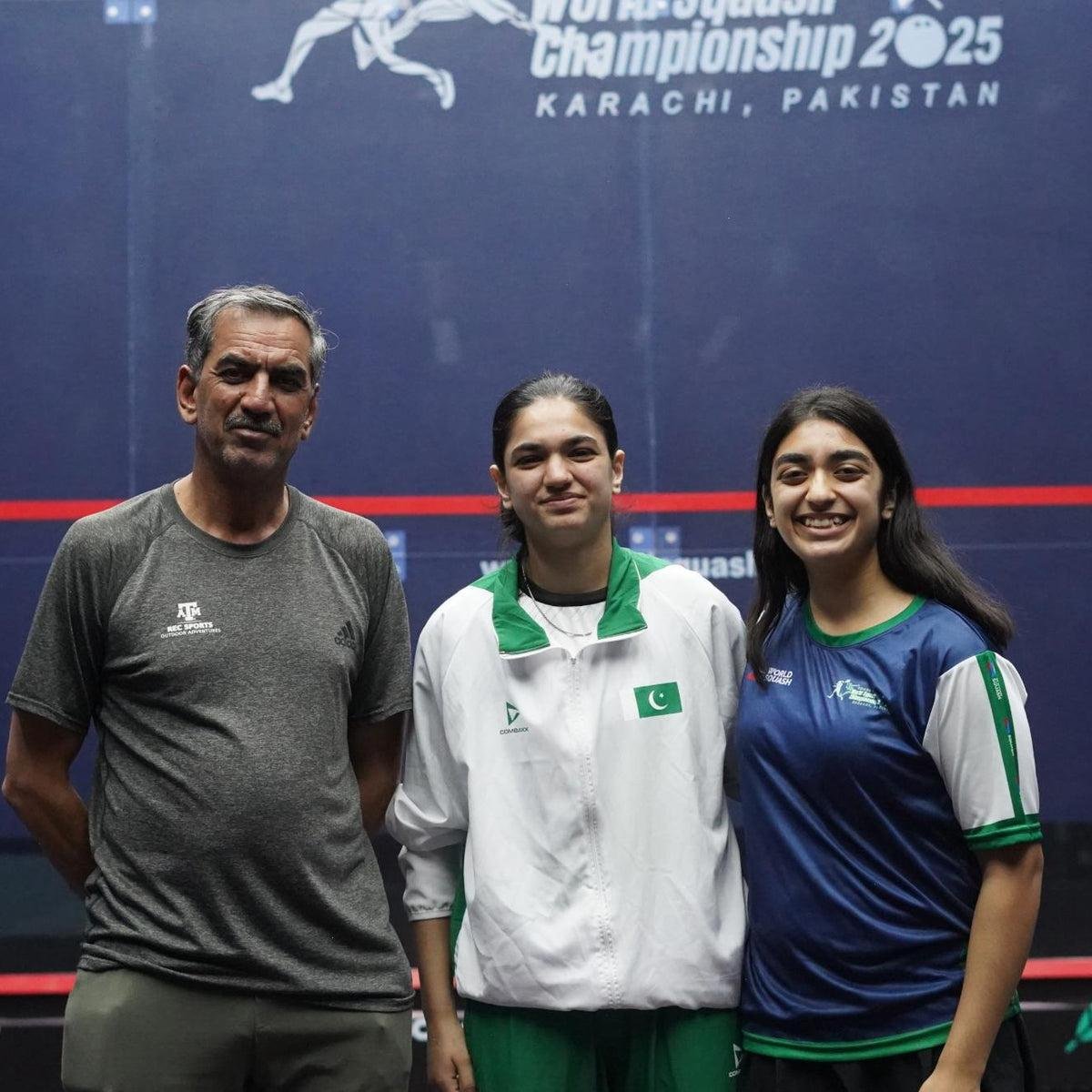
Qamar Zaman’s involvement in her early development helped open a route into squash. Her father’s commitment helped her continue competing, including when overseas participation placed pressure on family finances.
These contributions show that talent develops within a wider environment. Coaches, families, schools, sporting organisations, and sponsors all influence whether an athlete can progress.
Sana’s experience also raises important questions about accessibility. Athletes who communicate differently may need clear visual instructions, accessible coaching methods, and effective communication arrangements with officials and support staff.
Such measures do not lower sporting standards. They help ensure that athletes can train, compete, and demonstrate their abilities as fairly as possible.
For organisations seeking to make sport more inclusive, the lesson is practical: identify barriers, listen to athletes, and create conditions in which talent can develop.
Luxury Lifestyle: The Meaning of Success Beyond Wealth
Luxury lifestyle coverage often focuses on designer fashion, expensive cars, international holidays, premium accessories, and exclusive events. These subjects can be part of a magazine’s editorial mix, but they do not explain every form of achievement.
There is limited reliable public information about Sana’s personal spending habits, luxury purchases, or private lifestyle. It would therefore be inaccurate to portray her as owning particular brands, travelling for leisure to specific destinations, or living a lifestyle that has not been documented.
Her public story offers a different perspective on what a successful life can mean.
For a professional athlete, valuable opportunities include access to high-quality coaching, fitness facilities, international competition, recovery support, and the resources required to train consistently. These opportunities can make a meaningful difference to sporting development.
Sana’s career has also highlighted the financial pressures that athletes can face when sponsorship is limited. Her father’s public comments about funding international trips demonstrate that participation at this level can require significant sacrifices.
This is an important contrast to the popular image of sporting success as a life of immediate wealth and recognition. For many athletes, progress is a long process that depends on financial stability and continued access to competition.
Sana’s story encourages readers to look beyond visible possessions and consider what enables someone to pursue a demanding ambition.
In this context, success includes developing professional ability, earning opportunities through performance, and continuing to compete despite practical obstacles.
Personal Branding: Building Recognition Through Performance
In the modern sporting world, an athlete’s public profile can influence sponsorship, media coverage, and access to opportunities. Personal branding, however, is not simply about social-media popularity or promotional appearances.
For Sana, sporting performance provides the foundation of her public identity.
Her national titles, international competition experience, Bendigo Open victory, and Asian Games appearance offer concrete milestones around which her story can be communicated.
Her experience also highlights a challenge for athletes whose communication needs may not fit conventional media formats. Reuters reported in September 2026 that her father believed a lack of private sponsorship had limited her opportunities, possibly in part because of assumptions about her ability to participate in television advertising.
That account reflects his perspective; it should not be treated as proof of why individual sponsors have or have not supported her.
Nevertheless, it raises a wider question about how sports marketing works. If sponsorship opportunities depend heavily on spoken interviews or conventional advertising formats, brands may overlook athletes whose stories and communication styles differ from the norm.
Accessible media, subtitled interviews, sign-language interpretation, written profiles, and visual storytelling can help audiences connect with athletes without requiring them to communicate in only one way.
For athletes, teams, and sponsors, Sana’s experience offers several lessons:
- Show the work behind the results: Training, competition, preparation, and improvement help audiences understand an athlete’s journey.
- Communicate accessibly: Different formats can make an athlete’s story available to more people.
- Build trust through evidence: Results, rankings, and verified milestones create a credible foundation.
- Treat inclusion as an opportunity: Athletes with disabilities should be recognised for their skills and achievements, not reduced to their disability.
- Support long-term development: Meaningful sponsorship can help fund training and competition, rather than focusing only on short-term publicity.
A strong sporting profile should recognise both the athlete’s performance and the practical conditions that allow that performance to continue.
Inspiration: What Young Women Can Learn From Sana Bahadar
Sana’s journey offers lessons that reach beyond squash. They apply to women pursuing careers in sport, education, business, technology, and other competitive fields.
1. Do not let other people define your potential
Sana’s career developed after she was introduced to a sport that offered a new way to express her abilities.
Her example reminds young people that assumptions about disability or background should not determine the opportunities they are allowed to explore. The right environment can reveal strengths that might otherwise remain undiscovered.
2. Start with an opportunity and develop it through practice
Sana began playing squash at around ten years old. Becoming a national champion and competing internationally required much more than trying the sport once.
Progress comes through repeated practice, coaching, feedback, and learning from difficult matches.
Young women pursuing any ambition can apply the same principle: begin where possible, build the necessary skills, and continue improving.
3. Recognise the value of support
Sana’s father has played a major role in helping her access competitions and manage communication challenges. Coaches and mentors have also contributed to her development.
Her journey demonstrates that independence does not mean doing everything alone. Support can provide the conditions in which an individual’s talent grows.
4. Treat setbacks as part of a longer journey
Sana’s Asian Games campaign ended in the round of 32. That result does not erase her earlier achievements or determine the outcome of her future career.
In competitive sport, every player experiences losses. What matters over time is how athletes learn, prepare, and respond to new challenges.
The same lesson applies in professional life: a setback is information about a particular experience, not a complete verdict on a person’s ability.
5. Make ambition practical
Sana’s international career depends on resources as well as sporting talent. Travel, training, competition fees, and coaching all require planning and funding.
For anyone pursuing a demanding goal, it is useful to identify not only the desired outcome but also the practical requirements needed to reach it.
Ambition becomes more achievable when it is supported by preparation, realistic planning, and access to the right resources.
6. Help expand opportunities for others
Sana’s visibility can help other young people imagine themselves in sport. Her story can also encourage schools, coaches, and sporting organisations to look more carefully at how they identify and support talent.
An individual does not have to become a champion to make a difference. Mentoring, sharing knowledge, supporting accessible programmes, and encouraging someone to try a new activity can all help expand opportunity.
Legacy: A Sporting Journey Still in Progress
Sana Bahadar’s legacy is still being written. She is an active athlete, and her future results will depend on many factors, including training, health, competition opportunities, coaching, and financial support.
What is already clear is that she has established herself as a national champion, won an international PSA Tour title, and represented Pakistan at the 2026 Asian Games.
Her journey has also brought attention to challenges faced by deaf athletes and competitors who need more accessible communication arrangements. These challenges are not simply personal obstacles; they also raise questions about the responsibility of sporting institutions to make participation fair and practical.
Sana’s story demonstrates the importance of recognising athletes for their skill while also acknowledging the additional barriers they may encounter. Her deafness does not define the entirety of her identity. She is a squash player with competitive ambitions, achievements, and room to continue developing.
Her experience also highlights the difference that sustained support can make. Families may help young athletes begin, but long-term progress is easier when coaches, sports organisations, sponsors, and public institutions share responsibility for creating opportunities.
For Pakistan’s sporting community, investing in athletes like Sana could help strengthen the country’s talent base and make squash more accessible to a wider range of young people.
For Zyvera readers, her journey offers a broader message: achievement is not always a smooth path from ambition to recognition. It can involve setbacks, practical challenges, and years of effort that receive little public attention.
Lessons for the Next Generation
Sana Bahadar’s career offers several practical lessons for women building their own futures:
- Give talent room to grow: Do not assume that a person’s circumstances determine the limits of their abilities.
- Develop skills consistently: Long-term achievement requires practice, learning, and patience.
- Find the right support: Coaches, mentors, family members, and professional networks can open doors.
- Plan for practical challenges: Goals require time, resources, access, and preparation.
- Learn from setbacks: A single loss or disappointment does not define an entire career.
- Communicate in different ways: Accessible communication can help more people participate and be understood.
- Recognise achievement fairly: Focus on ability, performance, and individual goals rather than stereotypes.
- Keep the future open: A developing career should be judged by its documented progress, not by assumptions about what comes next.
These principles are relevant to women in every field, from sports and education to business, science, and creative industries.
Conclusion
Sana Bahadar’s journey from a young girl discovering squash in Peshawar to an international competitor and national champion is a story of talent, persistence, and opportunity.
Her victory at the Bendigo Open in Australia in August 2026 and her appearance at the Asian Games in Japan marked important milestones in her sporting career. Behind those results are years of training, the support of her family and coaches, and the financial challenges involved in competing internationally.
Her story also challenges a narrow understanding of success. It shows that achievement is not simply about winning every match or receiving public recognition. It can also involve building confidence, gaining independence, and making it easier for others to imagine a future in which their abilities are taken seriously.
Sana’s career is still developing, and her next chapter will depend on continued preparation and access to opportunities. But the milestones she has already reached provide a meaningful example for young women and aspiring athletes.
Her journey reminds us that talent deserves the chance to be seen, supported, and developed—and that inclusion is strongest when it creates real opportunities to participate and succeed.
My Life, My Achievements.